March 24, 2026
France 2026: E-car boom & diesel crash
France's roads are changing at record speed. While classic combustion engines are almost completely disappearing from the registration statistics and hybrids have lost their state support, all-electric mobility is booming. However, a look at the figures reveals that the true efficiency revolution is often taking place in a niche that many people have not yet had on their radar.
The registration rally: electric beats hybrid
The French market has reached a historic turning point. Just a few years ago, hybrid drives were the darling of the masses, but the tide has turned.
-
The electric boom: in 2023, one in four new cars (26.2%) was already an electric or plug-in hybrid. By the end of 2023, the number of all-electric cars on France's roads had broken the million mark.
-
Growth figures: While the market for pure e-cars grew by a massive 47%, plug-in hybrids only grew by 28%.
-
The crash of the diesel: While electric cars are booming, the diesel is plummeting in terms of new sales: Its share of first registrations fell to a record low of 9.4% in 2023.
-
Status quo 2025/2026: In July 2025, the market share of purely electric cars in new registrations was stable at 17%. A total of around 1.4 million pure electric cars are now rolling through the country.
The end for hybrids: the tax impasse
Those who still rely on hybrid technology today must expect financial disadvantages.
-
No more bonus: Since January 2023, there has been no more environmental bonus for hybrid vehicles.
-
Scrappage bonus canceled: The Prime à la Conversion for hybrids has also been completely discontinued as of December 2, 2024.
-
Tax shock for companies: The exemption from company car tax (formerly TVS) for hybrids is history. Companies must now pay in full for CO2 emissions and pollutant emissions.
The new strictness for passenger cars (M1): The "Eco-Score"
The hurdles are high for classic passenger cars (M1). In order to receive the subsidy, they must now meet strict criteria:
-
Price & weight: maximum purchase cost of €47,000 and less than 2,400 kg in weight.
-
Environmental assessment: An "eco-score" of at least 60 points is mandatory. This evaluates the entire CO2 balance of production - which excludes many imported models from the subsidy.
The "island of peace": light electric vehicles (L6e & L7e)
Away from the bureaucracy of passenger cars, light electric vehicles (quadricycles) have established themselves as a highly efficient alternative for cities and businesses. As they are not legally passenger cars, they enjoy decisive advantages: No eco-score and no income test.
The new subsidy system (as of 2025/2026):
Since July 1, 2025, the old bonus has been replaced by the Prime CEE:
-
For businesses: Commercial buyers receive up to €1,000 when purchasing an electric quadricycle.
-
For private individuals: Here, the bonus is between up to €250 and €437, depending on the model.
-
Infrastructure: A tax credit of up to €300 is available for installing a charging station at home.
Conclusion:
The French market is tipping inexorably towards pure e-mobility. While car buyers are struggling with complex carbon footprints, light vehicles such as those from ARI Motors offer a straightforward, safely subsidized and fiscally attractive solution for the logistics of tomorrow.
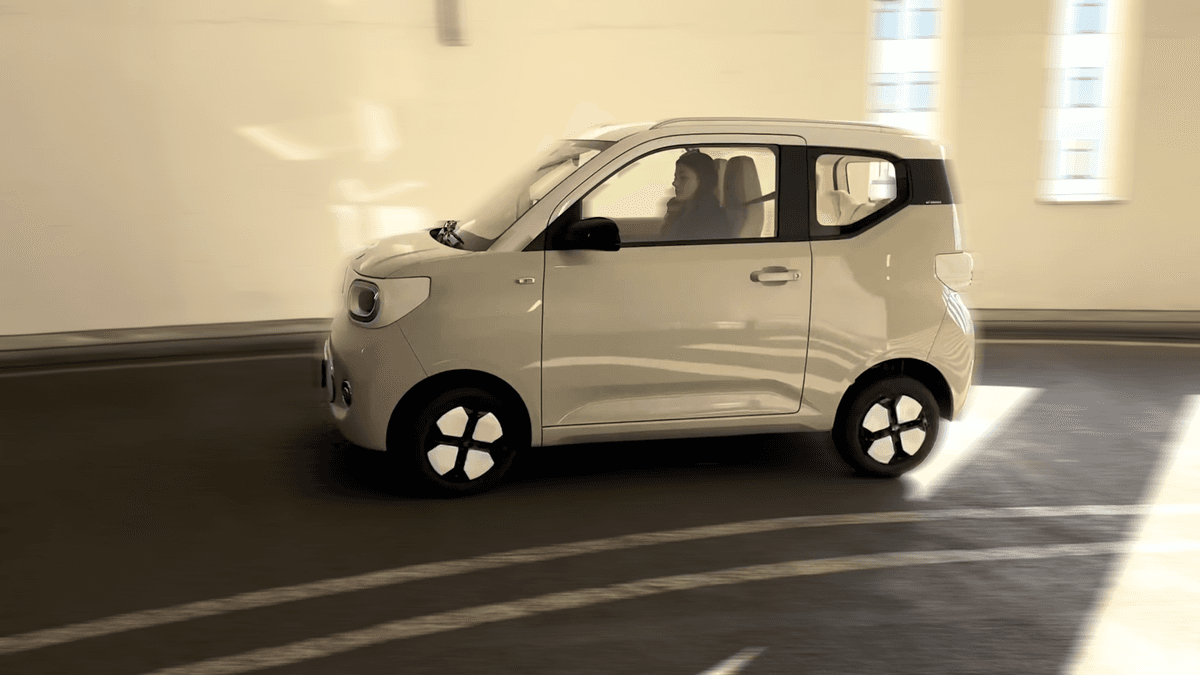
Fitting examples of this are the ARI Bruni, a modern electric passenger car (L7e) that is the perfect answer to the dying hybrid market in the city, and the ARI 458 Pro flatbed, which is the ideal electric alternative to the classic diesel for horticulture and municipalities. Both models benefit from full electric efficiency without the bureaucratic hurdles of larger passenger cars.